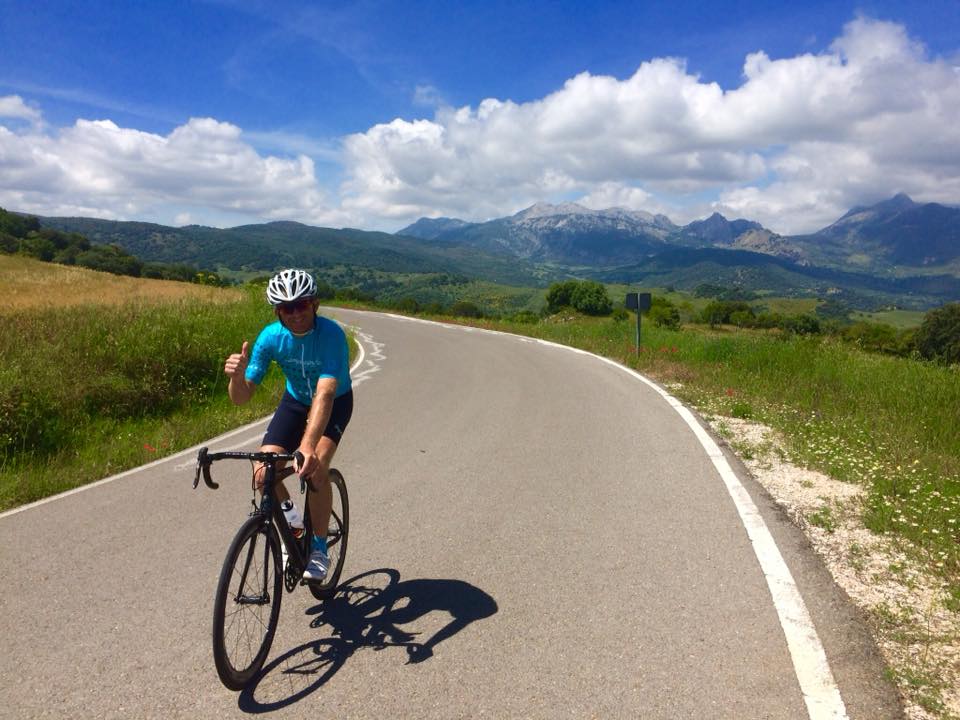
Cycling is a low-impact exercise that can be enjoyed by people of all ages, it is also fun and good for the environment. Riding to work/school/the shops is one of the most time-efficient ways to integrate exercise with your daily routine.
To be fit and healthy we need to be physically active. Exercise on a regular basis can help protect us from diseases such as obesity, heart disease, cancer, mental illness, diabetes and arthritis. Riding a bike regularly is one of the best ways to reduce the risks of the health problems associated with a sedentary lifestyle.
It only takes a few hours a week to achieve a general improvement to our health and fitness.
Cycling is:
- A low impact activity– it causes less strain/injuries than most other forms of exercise.
- A good muscle workout – cycling uses all of the major muscle groups.
- Easy – cycling does not require high levels of skill. Most people know how to ride a bike and, once you learn, you don’t forget.
- Good for strength and stamina – cycling increases strength, stamina and aerobic fitness.
- A fun way to get fit – is a great way to explore the countryside, to get outdoors and enjoy the fresh-air and freedom that comes with riding a bike.
- A mode of transport – a healthy way to start and end your working day. You arrive to work energised and ready for your working day, more importantly, your ride home is a good way to relieve the stresses and strains of the working day
- As intense as you want – from a low intensity ride to a full on high intensity workout and anything in between. You decide!
- Addictive – the more you ride the more you want to ride. A win win for everybody.
Cycling is an aerobic activity, which means your heart, blood vessels and lungs all get a workout. You will breathe deeper, perspire more and experience increased body temperature, which will improve your overall fitness level.
The health benefits of regular cycling include:
- increased cardiovascular fitness
- increased muscle strength and flexibility
- improved joint mobility
- improved posture and coordination
- decreased stress levels and reduced anxiety/depression.
- decreased body fat levels
- prevention or management of disease