Winter Training Camp – From Sunshine Miles to Springtime Results
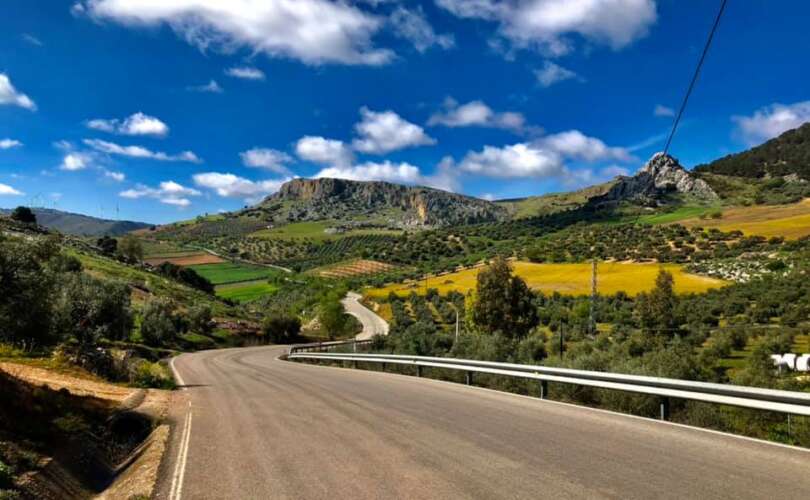
There’s nothing quite like a winter training camp or road cycling holiday in Andalucia, southern Spain. Blue skies, smooth tarmac, long café rides, and big volume weeks—it’s the perfect escape from grey skies and indoor trainers. But when you return home, how do you make sure those golden miles actually translate into results?
Winter Training Camp’s key intentions
A winter camp shouldn’t just be about “riding a lot.” It should have purpose.
1. Your Training Objective
First, you should be clear on what you are building. Most winter camps naturally focus on aerobic volume. Long endurance rides increase mitochondrial density, improve fat oxidation, and build that deep fitness base. When you get home, protect that base. Don’t immediately swap five-hour steady rides for short, high-intensity smash sessions. Instead, maintain one longer endurance ride each week to preserve those aerobic gains while gradually layering intensity on top.
If your camp was in mountainous terrain, there’s another factor to consider. Long climbs often mean extended periods in the granny gears, grinding uphill at lower cadences than you might typically ride at home. While that’s fantastic for strength endurance and climbing resilience, it can subtly dull your leg speed. When you return to flatter roads or race scenarios that demand rapid accelerations, you may feel slightly “heavy” through the pedals. To counter this, deliberately include high-cadence work in your first few weeks back—short spin-ups, fast pedalling drills at 100–120rpm, and cadence-focused intervals. This will help restore neuromuscular sharpness and bring your leg speed back to normal.
2. Maximise the Opportunity
Second, capture the momentum. You’ve likely just had your biggest training block of the year. Fitness is high—but so is fatigue. The biggest mistake riders make is racing or testing too soon. Schedule a proper recovery week after your camp. Reduce volume by 40–50%, keep a touch of intensity, and let adaptation happen. Fitness doesn’t grow during the camp; it grows when you absorb it.
3. Convert Endurance
Thirdly, you should convert endurance into specificity. As your target events approach, start sharpening the engine. If you’re aiming for road races, introduce structured threshold and VO2 max work. Targeting sportives or gran fondos? Add long tempo blocks and sustained climbing efforts. The base you built in the sun becomes the platform for race-ready power.
Don’t ignore the technical gains either. Winter camps often mean smoother group riding and better climbing rhythm. Keep those skills alive. Join a fast local group ride to maintain bunch confidence, or deliberately practice pacing rather than riding purely by feel.
4. Review Data
Finally, review your ride data. Look at heart rate trends, power numbers, and how you felt during the camp. Use those insights to guide your next training block.
Summary
A winter cycling holiday is more than a fitness boost—it’s a catalyst. Blend recovery, maintain endurance, layer intensity, sharpen cadence, and stay specific. Do that, and when the spring races arrive, those sunny miles will show up exactly where they matter: in results.
Click Here to Contact Us and get the best out of your Winter Training Camp.