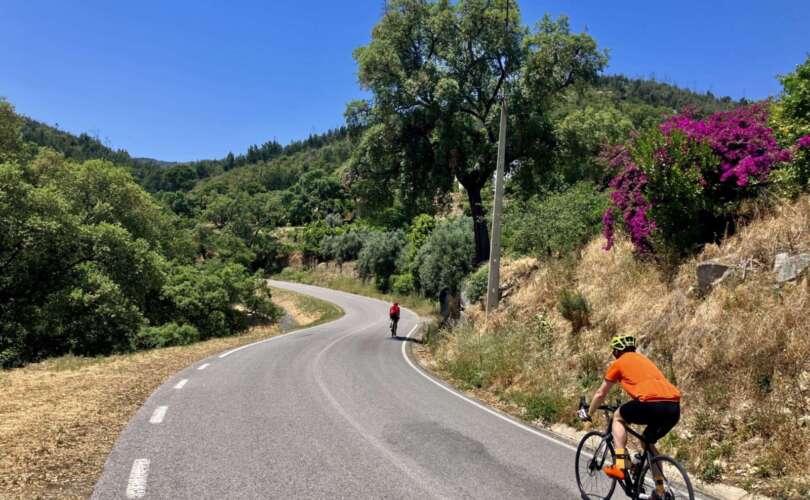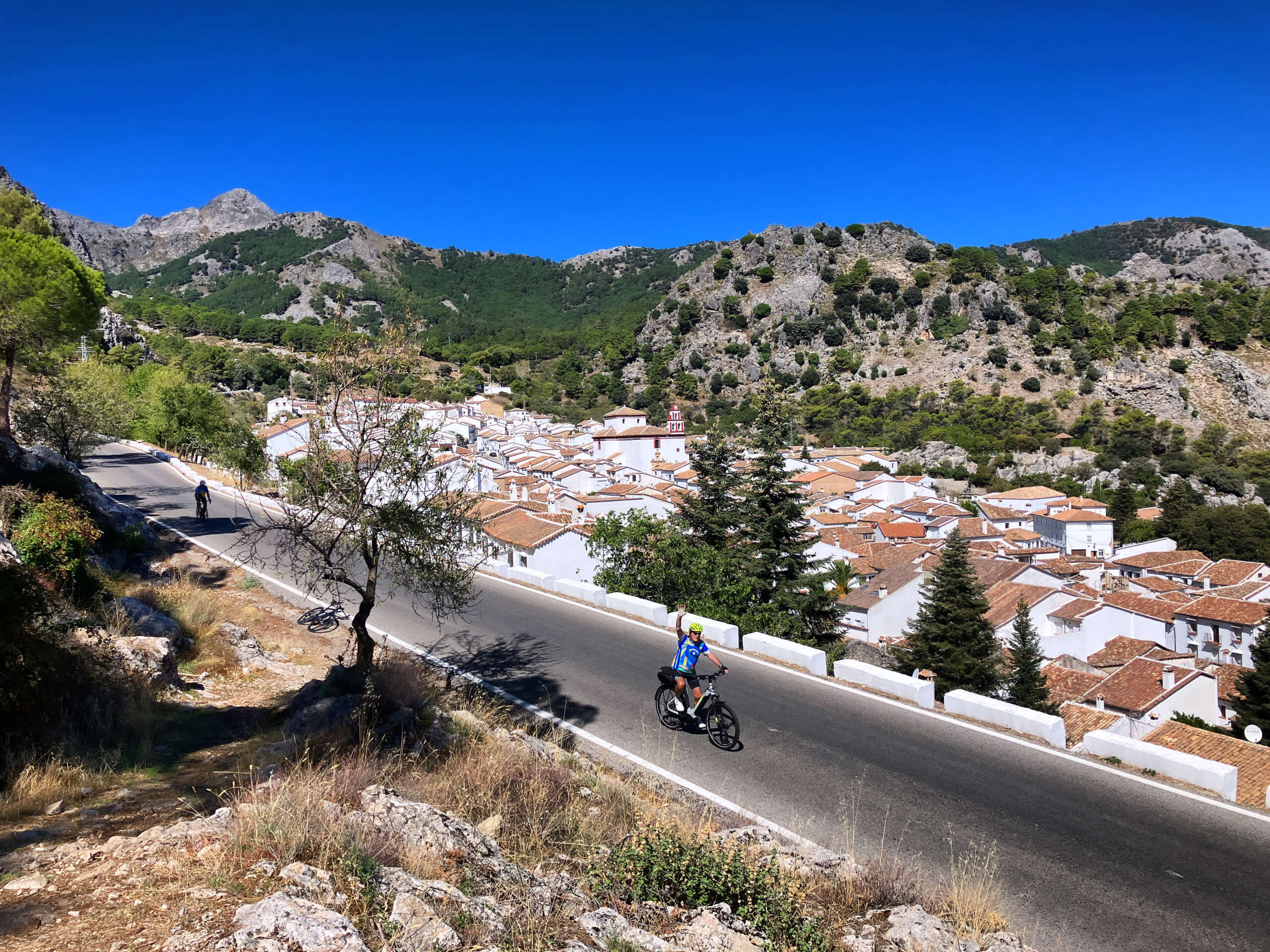
Self-Guided cycling tours in Spain are a great way to explore whilst riding at your own pace, which means there is always time for an extended lunch stop, a swim in the afternoon or to visit a bodega.
For those looking for a little more adventure you can plan your own route and head of into the unknown or you can select a self-guided cycling tour from a local operator.
What makes a great cycling tour holiday in Spain?
For me it’s immersing yourself in the local culture. It’s having the time to Stop, take off your helmet and enjoy the stunning views, to connect and learn about where you are riding, to learn it’s history, embrace it’s culture and taste the local cuisine.
To discover the secret local gems that you can not experience by car, train or bus. In my opinion there is no better way to explore than by bike. We have been helping fellow cyclists enjoy their journey through Andalucia since 2005, so what are the main things to consider before you travel?
Location, Location, Location.
Where do you want to go? How far do you want to ride each day? How much elevation do you want to do each day? These are the main aspects of planning/booking a self guided cycling tour. If you are travelling to an area where the terrain is more hilly/mountainous than where you ride at home then I would recommend that you shorten the daily distances to take into account the amount of elevation that you will be doing each day. Afterall, you want the trip to be enjoyable and above all doable for all the riders on your trip. If the terrain is considerable more hilly than what you are used too then perhaps consider hiring an e-bike.
Weather
Here in Spain we enjoy over 300 days of sunshine each year which is great for cycling. The best time for a cycling tour in Spain is from early September to end on June. Over the last 7 years I have ridden un to Christmas in shorts, short sleeved top with a base layer, sleeves and a wind proof jacket for the descents. July and August are hot, if you are going to ride then go at sunrise and be back before mid-day.
What to bring
Remember to check the weather forecast before you travel to help you decide what to bring. Just like riding at home you will need at the usual cycling kit, shoes, helmet, sunglasses but you will also definitely need suncream and rehydration tablets. I also wear UV protection sleeves in the summer to stop my arms getting burned. Remember chocolate ride snacks are not good in warmer climes! If you are heading for the mountains take warm weather kit and rain jackets even in the summer. The weather can change very quickly at high altitude. Trust me, descending off the really big climbs in the rain is not a very pleasant experience even if you do have the right kit with you!!
Bikes
Are you bringing your own bike or hiring? If hiring what type of bike is most suitable for your trip? For the terrain? If you are bringing your own bike is it suitable? Over the years we have had many riders bring their own bikes I would recommend that you have your bike serviced before you travel, check your gear ratio is appropriate for the terrain you’ll be riding in, I have slogged my way up the Mortirolo and Angliru on my own bike where I desperately needed a couple of extra easier gears, check your tyres, chain and cassette are not worn out either and bring spares for your bike, especially if it something unusual where spare parts my not be readily available. Hiring a bike. Most local bike hire companies will stock bikes that are suitable for the terrain where they operate. Ask the tour company you are booking with for advice on which bike would be most suited to you. Tell them of your bike ability, fitness level and your ride expectations for your trip. As this will help ensure you hire an appropriate bike
Hydration
When riding in a warmer climate you really need to stay on top of your hydration. I recommend that you drink 600-1000ml of liquid before you head out for your ride and then 600-800ml of liquids per hour you are out riding. After your ride continue to replenish the liquids until your pee is clear and your are peeing frequently. Hydration tablets are important to replace everything that you have sweated out. Remember that your body can not make salt, so you’ll need to add salt into your food. Crisps and peanuts are good for this too.
Summary
Cycling in Spain may be very different to your home country due to Spanish terrain, weather, and road use laws. So prepare well and consider these differences and plan for them before embarking on a trip.
Contact us to organise some of the best cycling tours in Spain.