How to plan for a successful cycling trip
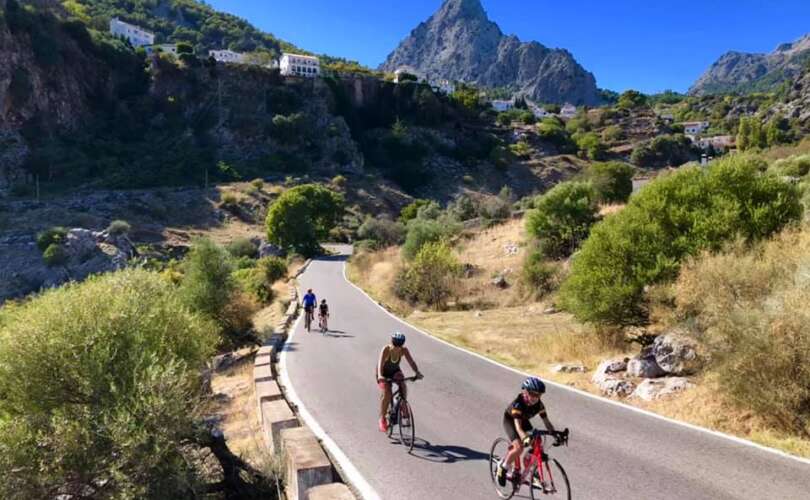
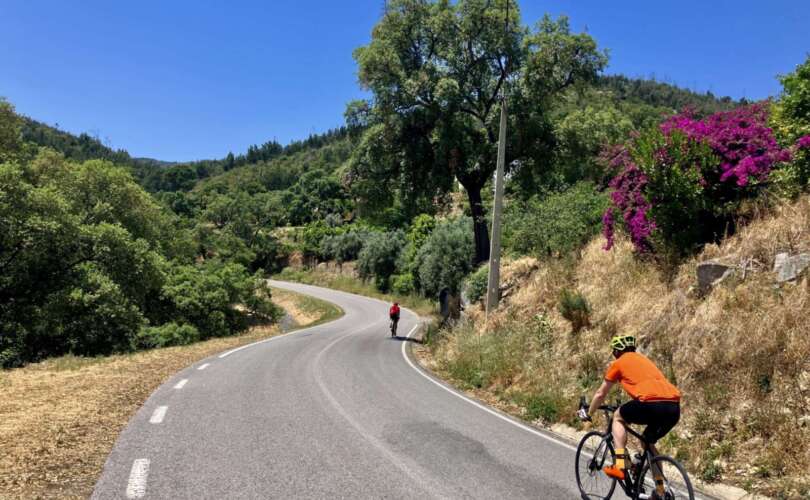
Spanish roads are built for cyclists. Smooth, traffic free roads meander through stunning landscapes dotted with traditional ‘pueblos blancos’ (White Villages) and mountain passes dominated by balcony roads and switchbacks that make perfect holiday photos. Combine this with the fantastic climate here in Andalucia southern Spain, with over 300 days of sunshine per year, means you will be cycling under clear blue skies and fabulous sunshine. It’s not hard to see why cyclists flock to Spain! It really is a cyclists paradise! What to consider when planning your cycling holiday in Spain?
Guided or Self-Guided Cycling Holidays
If a big part of your cycling holiday is researching and planning the routes, booking the accommodation and finding your own way around, then a self-guided cycling holiday in Spain may be the best option for you.
However, if you prefer to just turn up and have an experienced and reliable tour company guide you, then a guided cycling holiday in Spain may be your best answer. A local operators knowledge of the roads, the climbs, the stops and the climate are invaluable. All you need to do is enjoy the ride and the views for a stress free cycling holiday.
It really is a question of how confident you are in your own ability and resourcefulness or whether you prefer the camaraderie and peace of mind of a group tour.
Bike Hire
It can be a real hassle to take your own bike abroad, packing the bike into a bike bag or box is stressful and not so easy now with the integrated stems, internal cabling and not to mention the electronic shifting cables. One snag of those when rebuilding your bike can be disastrous. Not to mention the worry of letting your pride and joy out of sight and leaving it in the hands of the airport gods to ensure it is handled with care and put on the plane.
Hiring a bike is definitely a less stressful option. My advice would be to take your own saddle with you as being comfortable on the bike will vastly improve your enjoyment of riding a hire bike. Most local bike hire companies will stock bikes that are suitable for the terrain where they operate. Ask the tour company you are booking with for advice on which bike would be most suited to you. Tell them of your bike ability, fitness level and your ride expectations for your trip. As this will help ensure you hire an appropriate bike. If the terrain at your cycling holiday destination is considerable more hilly than what you are used too then perhaps consider hiring an e-bike.
Location, Location, Location.
Where do you want to go? What type of riding do you want to do? On road or off road? How far do you want to ride each day? How much elevation do you want to do each day? What type of trip are you planning? Are you training for an event or is your cycling holiday more of a social event with as much emphasis on enjoying the culture and cuisine? These are the main aspects to consider when booking a cycling holiday. If you are travelling to an area where the terrain is more hilly/mountainous than where you ride at home then I would recommend that you shorten the daily distances to take into account the amount of elevation that you will be doing each day. After-all, you want the trip to be enjoyable and above all doable for all the riders in your group.
Weather
Here in Spain we enjoy over 300 days of sunshine each year which is great for cycling. The best time for a cycling holiday here in Spain is from early September to end on June. July and August are hot, if you are going to ride then go at sunrise and be back before mid-day. If you are travelling form northern Europe, US/Canada to the sunny climes of southern Spain then the weather in the ‘winter months’ is still excellent for cycling. Over the last 7 years I have ridden up to Christmas in shorts, short sleeved top with a base layer, sleeves and a wind proof jacket for the descents.
Accommodation
There are many options to suit all budgets for your accommodation on your cycling holiday from Luxury, Standard or Budget Hotels as well as self catering and camping options. One of the main things to consider is how easy is the accommodation to access, are they bike friendly and do they have safe and secure bike storage for either your own bike or your hired bike.
Booking an apartment is tempting but you should always check in advance of booking if there is a suitable place to keep bikes overnight and protect them from theft. Some property owners do not allow bikes to be stored inside their property or you may find that the apartment is on the 4th floor and there are no lifts and you have to carry your bike up several flights of stairs each day.
Insurance
It’s not exciting, but insurance is an important part of holiday planning. It’s worth thinking about travel insurance and making sure you have it from the day you book; that way you’ll have the peace of mind of cancellation cover from day one.
It’s important to ensure your insurance covers the cycling you’re actually going to be doing on holiday.
Think about insurance not only for you if you get hurt, but also damage/loss to your bike and to other people caused by you. There’s also all the potential cancellation/delay situations you will need to think about too. Bear in mind that while you might have cover for some things in policies you already have, classic travel insurance often doesn’t cover all kinds of cycling at all altitudes – and cycling events are often outside the scope of normal cover too.
Summary
Cycling holidays in Spain can be very rewarding and a great way of seeing the country. However, you need to plan in advance and consider all aspects of your travel, specially if you do not speak Spanish. Contact us and let us organise your next cycling holiday for you.